


WHAT POSITIVE ASPECTS DO ALUMINIUM WINDOWS BRING TO MODERN CONSTRUCTION?
Sustainable activities in the construction industry stem not only from existing legal regulations but primarily from the growing environmental consciousness of architects, investors and users. One such action involves optimising the use of solar energy as a renewable source, along with the use of various glazing products in buildings. High-quality aluminium windows ensure an appealing building, robust window systems with excellent insulation.
The use of solar and wind energy must increase to 41% of the world’s electricity production by 2040. Simultaneously, achieving net zero emissions in buildings is one of the European Union’s priorities for the next 30 years. The pursuit of advanced construction solutions, including those offering high insulation parameters – even for windows and doors in aluminium systems – is entirely justified.
High strength of aluminium fenestration
One of the reasons for the increasing popularity of aluminium fenestration in the construction market is its remarkable strength. This applies to both substantial loads such as when creating expansive glazed surfaces and its resilience against varying weather conditions. Aluminium windows in the brand’s systems Aluprof not only offer a wide range of products and diverse designer solutions but also exhibit high resistance to multiple external factors, including wind and fire. Particularly noteworthy are aluminium windows, doors, and fire partitions, such as those in the MB-86 EI system, designed for creating external fire partitions equipped with doors.
‘Our aluminium system windows are characterised by high resistance parameters that meet the requirements of both private and commercial construction’, emphasises Wojciech Brożyna, Aluprof UK Managing Director. ‘The extensive range of aluminium window and door systems makes it possible to adapt individual solutions to even the most demanding projects, such as the renovation of historical buildings and projects that must meet strict fire safety requirements’, he adds.
An example of a system that can be used to create large glazed surfaces is the thermal insulated aluminium windows in the MB-86N, system, which were used, among others, in Premier Inn West Smithsfield in London.
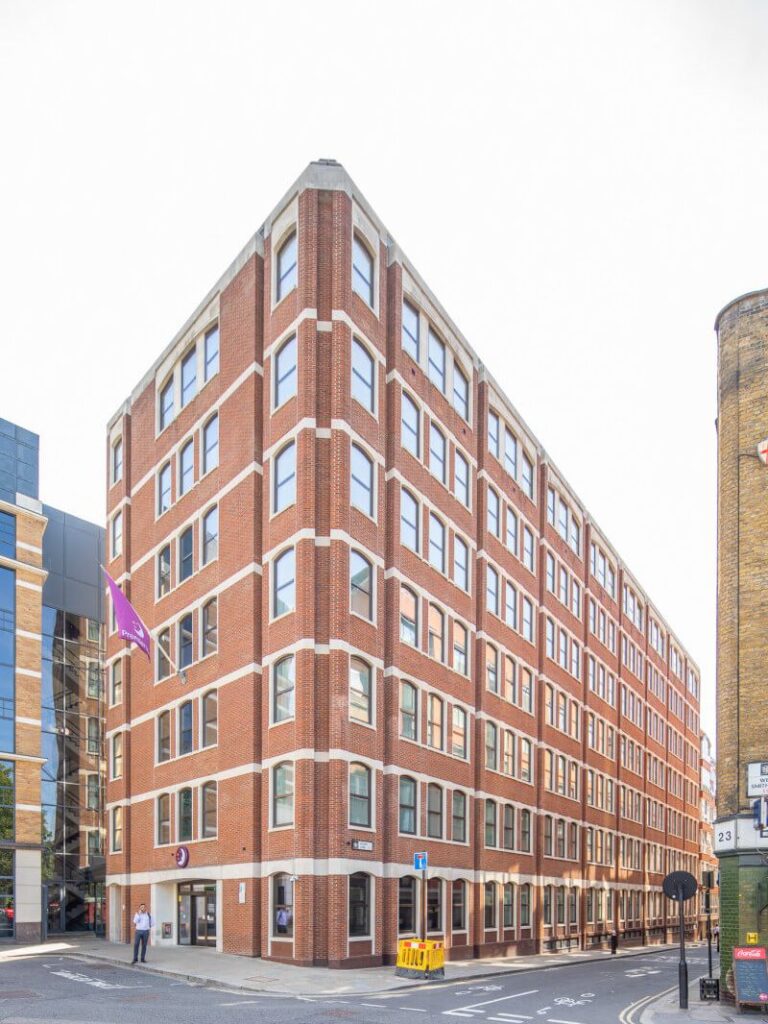
Aluminium windows tailored to your needs
Aluminium windows are also known for their high flexibility and material adaptability, making it possible to shape constructions to fit the character of each project.
‘With options for bending arcs, giving profiles specific shapes, and processing this material, aluminium windows perfectly meet the requirements of modern buildings, including those with unique forms, record heights, and impressive glazing’, says Wojciech Brożyna. Of course, shaping aluminium constructions does not compromise their thermal insulation or strength.
Aluminium, although lightweight, positively impacts the energy efficiency of buildings due to its insulating properties. For example, using windows and doors in the previously mentioned aluminium MB-86N system make it possible to fully utilise sunlight in the building and effectively prevent heat loss, thus reducing energy consumption in buildings.
Aluprof solutions meet the strictest insulation standards. An example of this is the windows and doors in the MB-104 Passive system, which are certified by the Passive House Institute Darmstadt – the most important institute promoting passive construction.